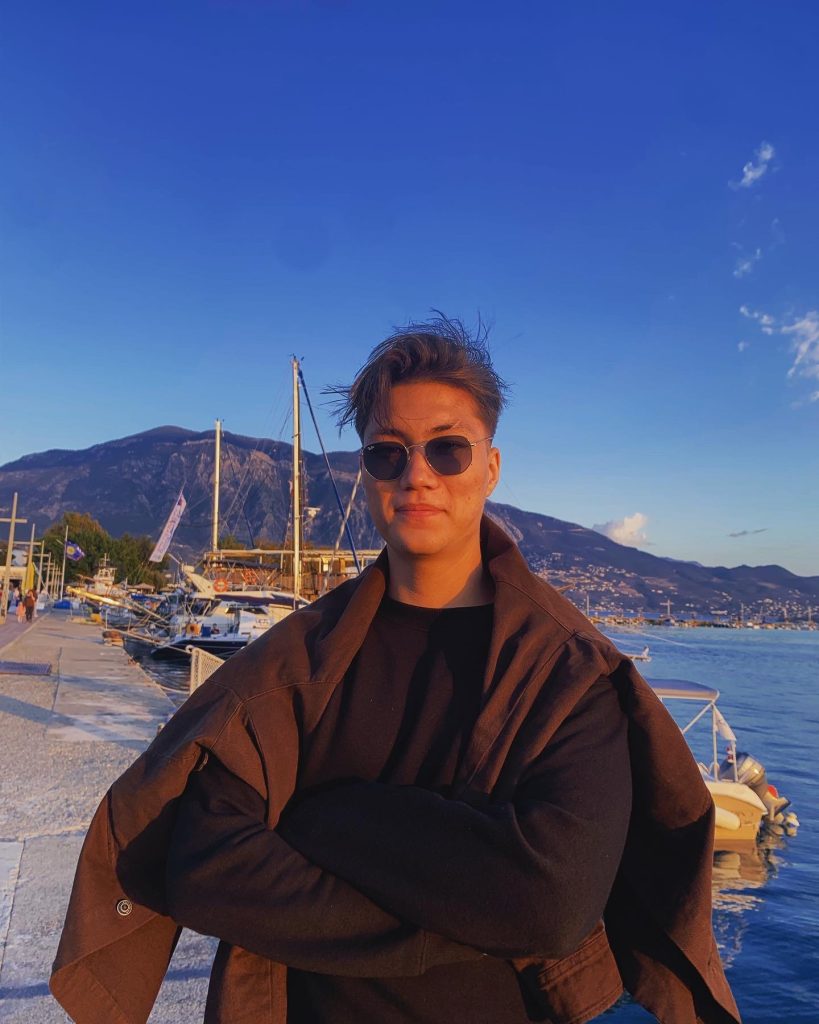


I am Amir Ali Ahmadi
I am a college student with a growing interest in education, migration, and social inclusion. I speak Dari(Farsi), English, and Greek, and this has helped me understand how language shapes not just communication but also connection and belonging, especially for those who have been displaced or marginalized. I share this background with those who have been displaced.
Through my involvement in the Rhizo-eduscapes project, I’ve started to reflect deeply on the role of education in the lives of refugees and unaccompanied minors. These are young people who carry heavy stories, and often find themselves in unfamiliar systems that don’t always see or support them fully. I’ve learned that education in these contexts has to be more than formal instruction—it must be relational, flexible, and rooted in trust.
One of the themes that has stayed with me is literacy—not just reading and writing in the traditional sense, but also as a broader way of making meaning. For many learners, especially those navigating trauma or multiple languages, literacy includes gestures, images, silences, and memories. It’s layered, and sometimes hidden, but always powerful.
The idea of the rhizome helps me understand learning differently. Instead of seeing knowledge as something linear or fixed, the rhizome invites us to think in networks, movements, and moments of connection. This is how I experience the Rhizo-eduscapes space—as something alive, unfinished, and open to co-creation.
As a student, I don’t claim to have the answers. But I care deeply about the questions: How do we make education more just, more human, more responsive to the realities of those often left at the edges? I bring curiosity, respect, and a willingness to learn—not only from theory, but from people, places, and encounters that challenge me to grow.
Amir Ali Ahmadi